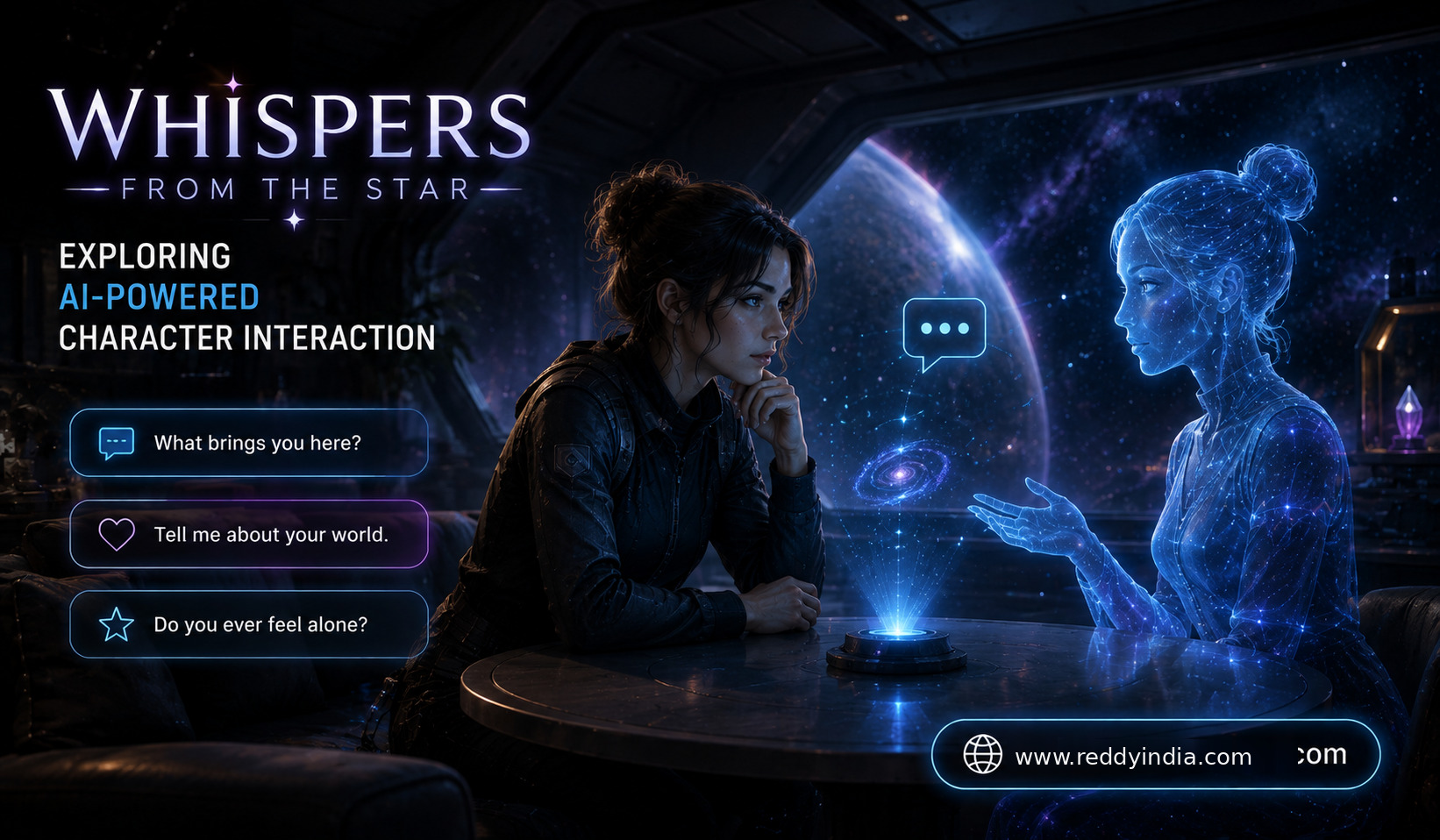
Whispers from the Star: Exploring AI-Powered Character Interaction
Artificial intelligence is changing the way video games tell stories, and one of the most exciting developments is the rise of AI-powered character interaction. Instead of limiting players to a small number of scripted dialogue options, modern AI systems can create conversations that respond more naturally to what players say and do.
Whispers from the Star represents an intriguing concept within this evolving trend. The idea of combining immersive storytelling with intelligent virtual characters shows how AI can make fictional worlds feel more responsive and personal. Characters are no longer simply background figures who deliver predetermined lines. They can become active parts of the player’s journey, capable of responding to choices, conversations, and changing circumstances.
As AI technology continues to develop, character interaction could become one of the most important features in narrative-driven games. Players may increasingly expect virtual characters to understand context, remember important encounters, and react in ways that feel less predictable.
What Makes AI-Powered Character Interaction Different?
Traditional video game dialogue usually works through branching scripts. Developers write questions, answers, reactions, and alternative endings ahead of time. Players then select from the available options.
This system can produce excellent stories, but it has obvious limitations.
Players can only say what the developers have anticipated.
AI-powered interaction offers a different approach. Instead of choosing from a small collection of lines, players can communicate using natural language. An AI system can analyze the player’s input and generate an appropriate response based on the current situation.
This creates a more flexible storytelling experience.
In a game built around a mysterious character from the stars, for example, the player might ask an unusual question that was never specifically written by the developers. An AI system can attempt to answer while maintaining the character’s personality and role within the story.
That possibility creates a stronger feeling of freedom.
Characters Can Become More Than Dialogue Machines
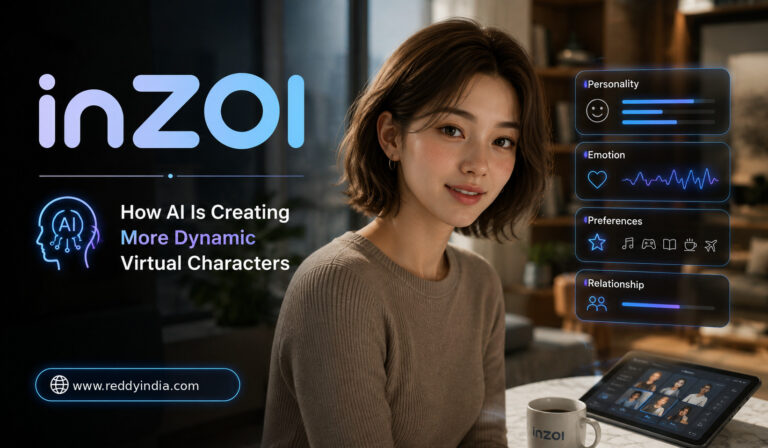
The biggest potential of AI is not simply generating more conversations. It is creating characters that appear to have motives, emotions, goals, and individual personalities.
Imagine meeting a character who is curious about the player’s background. During the first conversation, they may be cautious. After several positive interactions, they could become more trusting.
Another character might respond aggressively to the same approach.
These differences can make a virtual world feel more believable.
A strong AI character system should not make every NPC respond in the same way. Instead, each character can have its own traits, preferences, memories, and objectives.
This creates variety and gives players a reason to pay attention to the person behind each conversation.
AI Can Make Stories More Personal
One of the major benefits of AI-powered interaction is personalization.
Traditional game narratives are designed to accommodate thousands or millions of players. As a result, the basic storyline usually remains the same for everyone.
AI can make certain aspects of a story more responsive to individual behavior.
A character might react differently depending on whether the player is friendly, suspicious, humorous, aggressive, or supportive. A player’s previous decisions could influence later conversations and relationships.
For example, imagine that a player previously helped a character escape from danger. Later, that character could remember the event and respond with greater trust.
Another player who ignored the character might receive a completely different reaction.
These small changes can make the experience feel unique.
The Importance of Memory
Memory is one of the most important elements in convincing AI-powered characters.
Without memory, conversations can feel disconnected. A character may react warmly in one scene and then behave as though the previous interaction never happened.
With persistent or carefully managed memory, characters can maintain a sense of continuity.
They may remember:
- Important conversations
- Player decisions
- Promises and disagreements
- Relationships with other characters
- Major events in the story
Memory can turn a series of isolated conversations into an ongoing relationship.
For a story such as Whispers from the Star, this could be particularly powerful. A mysterious character might gradually reveal information based on the player’s questions and previous interactions, making the relationship itself part of the mystery.
AI Can Strengthen Mystery and Discovery
AI-powered characters are especially useful in mystery and exploration games because they can respond to questions in flexible ways.
Instead of giving the player one fixed clue, an AI character could offer different details depending on the conversation.
A player might ask a direct question and receive a vague response. A second attempt might reveal another piece of information. The player could then challenge the character, change the subject, or use information discovered elsewhere.
The story becomes a process of discovery.
This style of interaction can make mysteries feel more personal because players are not simply collecting prewritten clues. They are actively questioning characters and interpreting their responses.
Unexpected Conversations Can Create Memorable Moments
Unpredictability is another major advantage of AI-powered dialogue.
In traditional games, developers know almost every conversation players can experience. With generative AI, players can sometimes take discussions in unexpected directions.
A strange question can lead to an unusual response. A joke can unexpectedly change the mood. A casual comment may reveal information that the player was not expecting.
These moments can become memorable because they feel spontaneous.
The technology does not guarantee perfect conversations, but when it works well, it creates the impression that players are discovering interactions rather than simply activating scripted scenes.
AI Characters and Emotional Storytelling
AI can also influence emotional storytelling.
A character’s responses can change according to the player’s behavior, potentially allowing relationships to evolve over time.
A friendship could gradually become stronger. A conflict could become more intense. A character might become disappointed after repeated betrayals or more supportive after the player consistently helps them.
This creates emotional continuity.
However, making characters emotionally convincing requires more than generating emotional words. The AI needs to connect reactions to previous events and maintain a believable personality.
A character who is consistently compassionate should not suddenly behave cruelly without a reason.
That consistency is essential for immersion.
Voice Interaction Could Make Characters Feel More Real
The future of AI-powered characters may also involve voice communication.
Instead of typing messages, players could speak directly to virtual characters. Speech recognition could convert the player’s words into text, while an AI system generates a response that is then delivered using a character’s voice.
This creates a more natural interaction loop.
Voice can also communicate things that text cannot easily capture, such as hesitation, excitement, frustration, or sarcasm.
As voice AI improves, players may increasingly feel as though they are actually talking to a fictional person rather than controlling a dialogue menu.
For atmospheric games, this could make a major difference.
AI Can Help Build Living Game Worlds
Character interaction is not isolated from the rest of a game’s systems.
AI can connect conversations with the wider game world.
A character might suggest visiting a location, warn the player about another NPC, recommend an item, or react to an event happening nearby. Information can move through the virtual world as characters communicate with each other.
This can make the environment feel interconnected.
Instead of every NPC existing only to help the player progress, characters can appear to have their own relationships and concerns.
The game becomes more like a social ecosystem.
The Challenges of AI-Powered Characters
Although the possibilities are impressive, AI-powered interaction also creates significant challenges.
The first is consistency. Characters need to maintain their identity across long conversations. Their personality, background, knowledge, and relationships should remain coherent.
Another challenge is response quality. AI can sometimes produce repetitive, vague, or inappropriate answers. Poor responses can quickly break the illusion of a believable character.
Latency is also important. Conversations feel natural when characters respond quickly. Long delays can make even an intelligent system feel artificial.
Developers must also consider moderation, privacy, player safety, and the costs associated with running AI systems.
For these reasons, successful games will likely combine generative AI with carefully designed rules and narrative controls.
Human Writers Still Matter
The growth of AI does not mean human writers are becoming unnecessary.
AI can generate language, but writers still need to design the world, establish themes, develop characters, and decide what the story is ultimately about.
Human creativity provides the foundation.
AI can then help make that foundation more interactive.
A writer might define a character as secretive, intelligent, protective, and emotionally distant. The AI can use those characteristics to generate different responses while staying within the intended personality.
This changes the role of game writing from creating every possible conversation to designing the systems that make conversations meaningful.
The Future of AI Character Interaction
The next generation of AI-powered games could go much further.
Characters may eventually have long-term memories, evolving relationships, personal goals, and the ability to respond to major changes in the game world.
Players could form relationships with virtual characters that develop over weeks or months of gameplay. The same NPC might react differently to different players based on everything that happened previously.
This could create incredibly personalized stories.
Imagine starting a game and knowing that no two players will experience exactly the same conversations because the characters themselves adapt to each person’s behavior.
That is one of the most exciting possibilities AI brings to interactive entertainment.
Conclusion
Whispers from the Star reflects a broader transformation taking place in gaming: the move from fixed character dialogue toward more flexible, AI-powered interaction.
Artificial intelligence can help characters become more responsive by interpreting player input, remembering previous encounters, adapting to different personalities, and generating conversations in real time. These features can make stories feel more personal and game worlds more alive.
The technology still has limitations. AI characters need reliable memory, consistent personalities, fast responses, and strong safeguards to remain convincing. Human writers and designers will continue to play a crucial role in shaping the worlds where these interactions take place.
Even so, the direction is clear. The future of video game storytelling may not depend only on larger worlds or better graphics. It may depend on creating characters that can actually respond to the person sitting behind the screen.
When that happens, players will not simply watch fictional relationships unfold. They will help create them.