inZOI: How AI Is Creating More Dynamic Virtual Characters
Artificial intelligence is changing the way video games are designed, and one of the most interesting examples is inZOI. Developed by KRAFTON, inZOI is a life simulation game built around highly detailed virtual characters, customizable environments, and everyday interactions. What makes the game particularly interesting is how modern AI technologies can help make virtual characters feel more responsive, expressive, and unpredictable.
For years, life simulation games have allowed players to create characters, decorate homes, build relationships, and guide virtual lives. However, many characters in traditional games rely on scripted behaviors and predefined dialogue. AI introduces the possibility of creating virtual people who can react more dynamically to their surroundings and to player actions.
This shift could change what players expect from character-driven games. Instead of controlling a world populated by predictable digital people, players may increasingly interact with characters that appear to have individual personalities and evolving behaviors.
What Is inZOI?
inZOI is a life simulation game designed to let players create and manage virtual characters known as “Zois.” Players can customize their characters, build living spaces, explore environments, develop relationships, and experience everyday activities.
The game focuses heavily on realistic visuals and detailed customization. Players can change a character’s appearance, clothing, home, and surroundings while creating their own virtual stories.
Rather than simply following a fixed campaign, inZOI is built around open-ended simulation. The player’s choices can influence relationships, activities, careers, environments, and other aspects of virtual life.
This type of game provides an ideal environment for experimenting with AI-driven character behavior.
Why AI Matters in Virtual Characters
Traditional game characters usually operate through a combination of scripts, programmed rules, animations, and predefined dialogue.
For example, a non-player character might have a schedule that tells them to wake up, go to work, eat lunch, and return home. If a player talks to them, the character may provide a limited selection of responses.
AI can make these interactions more flexible.
Instead of relying entirely on predetermined responses, AI systems can help characters interpret situations and generate behavior based on context. A virtual character could potentially respond differently depending on its surroundings, relationships, previous experiences, and current objectives.
This makes the character feel less like a programmed object and more like an active participant in the simulation.
More Natural Character Interactions
One of the biggest opportunities for AI in games like inZOI is more natural interaction.
Imagine approaching a virtual character after an argument. In a traditional simulation, that character might simply return to their normal routine after a scripted reaction. With more advanced AI systems, the character could potentially behave differently because of the previous interaction.
They might avoid the player, react negatively, or change their behavior depending on the situation.
Similarly, positive interactions could influence future relationships. Characters could become more comfortable with the player, develop stronger social connections, or respond differently during later conversations.
These small changes can make virtual relationships feel more believable.
AI Can Help Characters Feel Less Predictable
Predictability can reduce immersion in simulation games.
When players discover that a character always behaves exactly the same way, the virtual world can begin to feel artificial. AI can introduce more variation into character behavior.
A virtual person may choose different activities, react differently to events, or interact with other characters in unexpected ways.
This does not mean that characters should behave randomly. The goal is to create behavior that feels contextual rather than completely predetermined.
For example, a character who enjoys music might spend more time practicing when they are happy. Another character might prefer social activities. Someone who has had a difficult day could respond differently to a conversation.
These differences can make each virtual character feel more individual.
Personalities Can Become More Important
AI could also strengthen the role of personality in life simulation games.
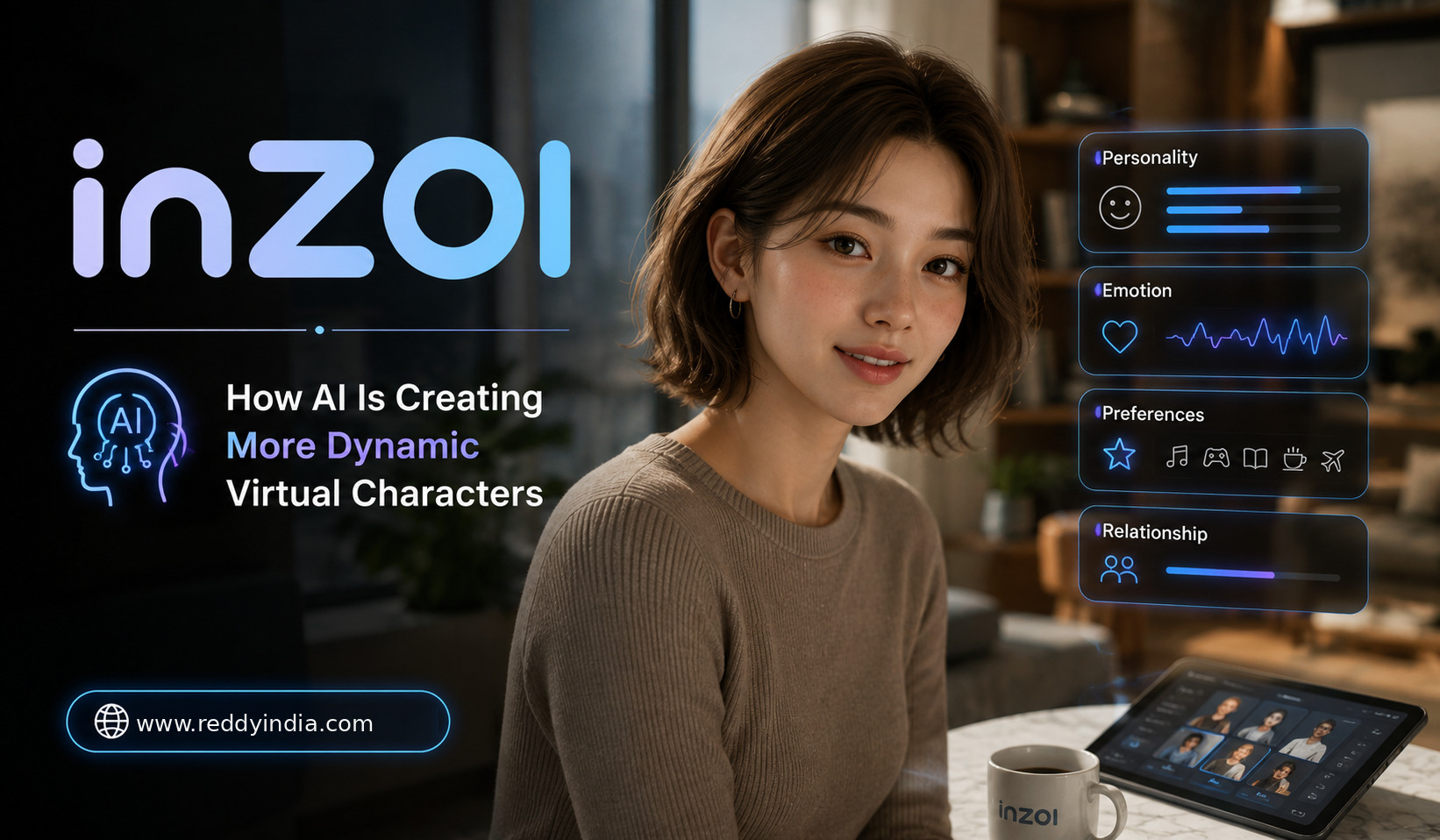
A character’s personality can influence how they communicate, react to events, form relationships, and make decisions. Instead of using personality merely as a set of numerical statistics, future AI systems could use it as a broader behavioral framework.
For example, an ambitious character might prioritize work and career progression. A highly social character could actively seek conversations and events. A cautious character might avoid risky situations.
When these tendencies consistently influence behavior, players may begin to recognize characters as unique individuals.
That creates storytelling opportunities without requiring every interaction to be manually scripted by developers.
AI and Emergent Storytelling
One of the most exciting possibilities is emergent storytelling.
In a traditional game, developers often write major story events in advance. Players can choose how to experience those events, but the overall narrative structure is controlled by the game.
In a simulation game powered by sophisticated AI, stories can emerge naturally from interactions.
A friendship might develop because two characters repeatedly meet. A business partnership could form because of compatible personalities. A disagreement might escalate because of previous conflicts.
The game does not need to provide one carefully written storyline for every possible situation. Instead, systems work together to produce unique stories.
This could make inZOI-style games highly replayable.
AI Could Make Virtual Cities Feel Alive
Dynamic characters are not only important inside homes. They can also influence the larger game world.
A city becomes more believable when its residents have different routines, goals, relationships, and reactions.
AI could help create the impression that characters are living their own lives rather than simply waiting for the player.
A virtual neighbor might attend social events, change jobs, make friends, visit different locations, or develop conflicts with other residents.
When many characters behave independently, the entire city can feel more active.
This is especially important for life simulation games because the environment itself is part of the entertainment.
The Connection Between AI and Character Customization
inZOI places a strong emphasis on customization, and AI can complement that approach.
Players do not simply create a visual appearance. They can imagine a personality, lifestyle, career, and social identity for their characters.
AI-powered systems could eventually connect those elements more closely.
For example, a character’s chosen traits could influence the way they speak, react to events, interact with others, and make decisions. This could create a stronger connection between appearance, personality, and behavior.
The result would be characters who feel more coherent rather than simply looking different from one another.
AI Does Not Mean Completely Autonomous Characters
It is important to understand that AI-driven game characters do not necessarily become completely independent.
Developers still define the rules, environments, objectives, limitations, and safety systems within the game. AI operates within those boundaries.
This is important because unrestricted behavior could create problems with inappropriate dialogue, inconsistent decisions, or actions that conflict with the game’s design.
The most effective AI characters are likely to combine machine-generated responses with carefully designed game systems.
In other words, AI can expand possibilities without removing the developer’s control.
Challenges of AI-Powered Virtual Characters
Despite its potential, creating believable AI characters is difficult.
One major problem is consistency. A character needs to remember important information and maintain a recognizable personality over time.
Another challenge is context. Characters must understand what is happening around them rather than simply responding to isolated inputs.
Performance is also important. Running advanced AI systems for many characters simultaneously can require significant computing resources.
There are also questions about moderation, player privacy, data usage, and the appropriate limits of generative AI in games.
Developers must find a balance between making characters dynamic and keeping the simulation stable and enjoyable.
How AI Could Change Life Simulation Games
The influence of AI could extend far beyond inZOI.
Future life simulation games may allow characters to develop long-term memories, create more complex social networks, learn from past experiences, and adapt to changing environments.
Instead of characters simply following schedules, they could make decisions based on personal goals and relationships.
This could fundamentally change how players experience simulation games. The entertainment would not come only from decorating a house or completing activities. It would also come from discovering what happens when different virtual personalities interact.
Every player’s world could become different.
What inZOI Represents for the Future
inZOI is part of a broader gaming trend in which realistic graphics, simulation systems, procedural generation, and AI are increasingly combined.
Its focus on detailed virtual lives shows how modern games are moving toward more personalized experiences. As AI technology improves, developers may be able to create characters that are not only visually realistic but also behaviorally convincing.
That combination could make virtual worlds feel significantly more alive.
Players may eventually remember digital characters not because they were part of a famous scripted story, but because something unexpected happened between them and those characters.
Conclusion
inZOI highlights an important direction for the future of gaming: creating virtual characters that feel more dynamic, responsive, and individual.
AI can help move game characters beyond fixed dialogue and repetitive routines by allowing behavior to respond more closely to context, personality, relationships, and player decisions. This can support more natural interactions and create stories that emerge from gameplay rather than being completely written in advance.
There are still major challenges involving consistency, performance, safety, and the limits of AI-generated behavior. However, the potential is clear.
As artificial intelligence becomes more advanced, life simulation games could evolve from digital worlds that players control into living environments that continuously respond to them. inZOI offers a glimpse of that future, where the most memorable part of a game may not be the world itself, but the virtual people who inhabit it.